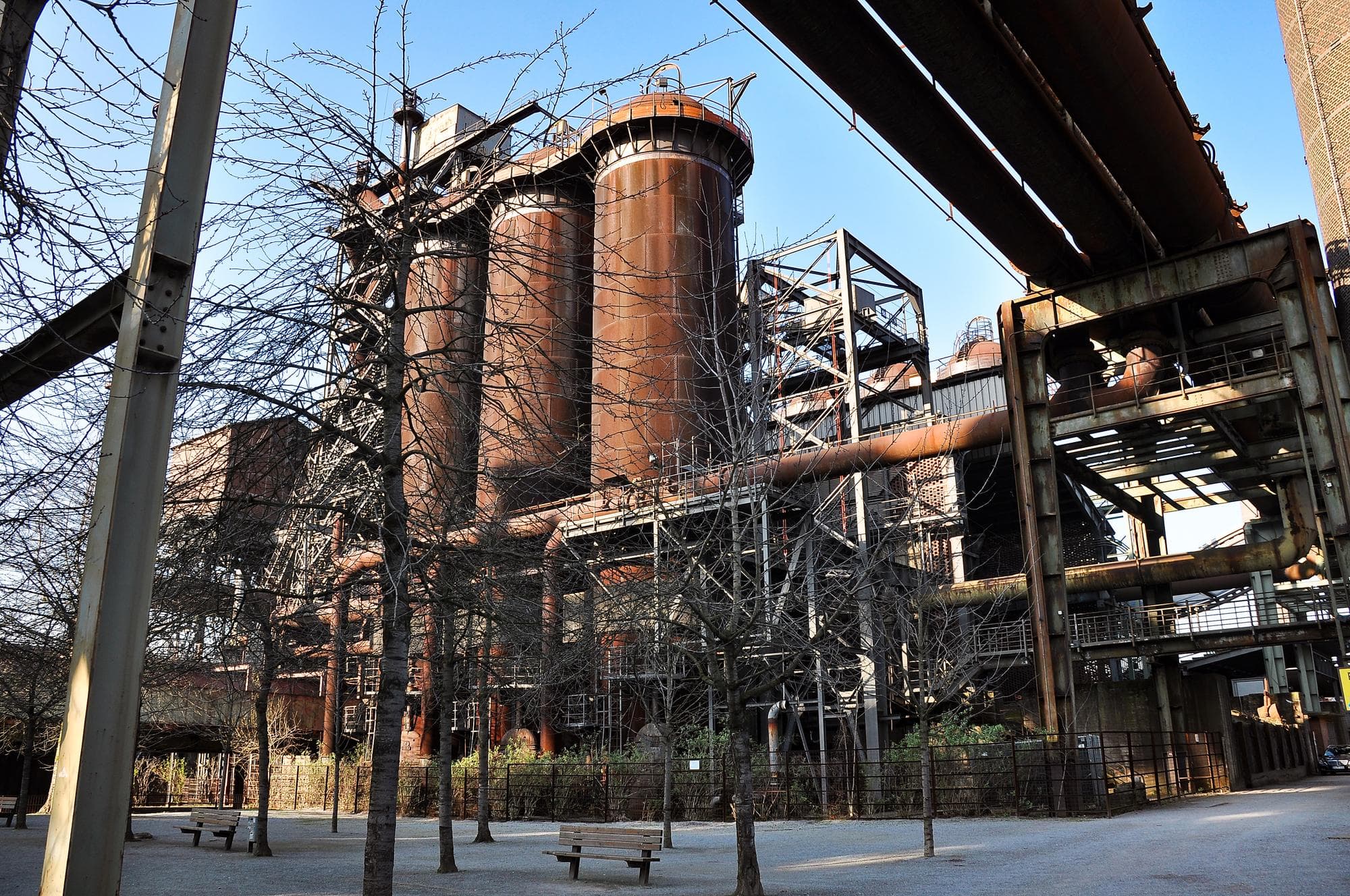
There is a certain logic to it, once you see it. Aluminum smelting is one of the most electricity-intensive industrial processes on earth. When Alcoa mothballed its Massena, New York facility, what it left behind was not a pile of scrap metal — it was a power delivery system built to feed an industrial furnace. NYDIG, one of the more serious institutional players in the Bitcoin mining space, apparently recognized that infrastructure for what it was.
According to CoinTelegraph, Alcoa is nearing a deal to sell the idle Massena smelter to NYDIG for repurposing as a Bitcoin mining operation. The terms and exact timing were not disclosed, but the direction is clear: purpose-built industrial power capacity is becoming a primary acquisition target for miners who understand that electricity cost and reliability, not hardware, is the real competitive moat.
Why an Aluminum Smelter Makes Sense for Bitcoin Mining
The parallels between aluminum smelting and Bitcoin mining are more than superficial. Both are continuous, high-load electricity consumers. Both need stable, high-capacity grid connections — the kind that take years and tens of millions of dollars to build from scratch. And both operate in environments where margins compress quickly when power prices rise.
What industrial facilities like the Massena smelter offer that greenfield mining sites cannot is infrastructure that already exists: substations, transformers, transmission lines, cooling systems, and often long-standing relationships with local utilities and grid operators. Building that stack from the ground up for a new mining campus in a remote location is expensive, slow, and subject to interconnection queue delays that can run years behind schedule.
Upstate New York has additional advantages. The region has access to relatively affordable hydroelectric power, and New York's grid has historically offered more stable baseload capacity than sun-belt markets that have seen explosive demand from both crypto and AI data center buildout. For a large-scale miner looking to operate at industrial efficiency, that combination — existing infrastructure, reasonable power costs, hydroelectric supply — is genuinely attractive.
The Broader Infrastructure Land Grab
The NYDIG-Alcoa deal is not happening in a vacuum. It reflects a maturing strategy among institutional-grade Bitcoin miners: stop leasing power and start owning the infrastructure that delivers it.
For years, the dominant model in North American Bitcoin mining was colocated hosting — miners would rent rack space and power from facilities operated by someone else, paying a blended rate per kilowatt-hour. That model made sense when the industry was young and capital was scarce. It has become increasingly inefficient as the competition for cheap power has tightened and as hosting operators have raised rates in response to AI data center demand pulling electricity supply toward higher-paying customers.
The response from serious operators has been vertical integration. That means acquiring land with existing grid access, signing direct power purchase agreements with utilities or renewable generators, and — in cases like this Alcoa deal — purchasing entire legacy industrial properties to convert into purpose-built mining campuses.
The logic extends beyond cost control. Ownership of physical infrastructure creates a defensible balance sheet asset. It creates optionality: a mining facility built on industrial-grade electrical infrastructure can, in theory, pivot to hosting AI compute workloads if Bitcoin economics deteriorate, or run a hybrid operation. Industrial power infrastructure is increasingly valuable across multiple use cases.
What This Means for the Mining Industry's Competitive Structure
The NYDIG deal, if it closes as reported, is a data point in an ongoing consolidation story. Large, well-capitalized operators are acquiring infrastructure that smaller miners simply cannot afford. The gap between institutional-grade mining operations and retail or semi-professional operations is widening.
This is not necessarily bad for Bitcoin's network security — a smaller number of large, professionally managed mining operations can still maintain meaningful decentralization at the hash rate level, and the protocol does not care who runs the ASIC. But it does change the investment thesis for anyone thinking about exposure to Bitcoin mining equities or private operations.
Miners who own their power infrastructure are structurally different businesses than miners who lease it. Their cost base is more predictable, their margins are more defensible against power price spikes, and their assets have residual value beyond the hardware cycle. That distinction matters when evaluating mining companies as investments, particularly as the post-halving compression on block rewards continues to squeeze operators running on thinner margins.
The Lazarus Shadow Hanging Over Infrastructure
It is worth noting, in the same breath as any infrastructure discussion right now, that the physical and digital layers of crypto infrastructure are both under sustained attack. The Kelp DAO exploit, detailed in reporting from CoinDesk, showed how North Korea's Lazarus Group has evolved from opportunistic phishing to systematically targeting structural weaknesses in DeFi protocol design — resulting in potential bad debt exposure of $123 million to $230 million for Aave alone.
That is a DeFi story, not a mining story. But the underlying point is relevant to any serious infrastructure operator: the threat environment is not static, and state-level actors are investing in finding new attack surfaces across the crypto stack. Mining operations, particularly large facilities with network connectivity and significant financial flows, are not immune to consideration in that threat landscape. Physical security, operational security, and the custody practices surrounding mining revenues deserve the same scrutiny as protocol-level risks.
NYDIG, as an institutional-grade operator with significant custody and financial services infrastructure, is presumably well-positioned on that front. But for the industry broadly, the Kelp-Aave cascade is a reminder that scale creates exposure, and that owning impressive physical infrastructure does not substitute for hardened operational security.
The Takeaway
The NYDIG-Alcoa deal is a clean illustration of where the Bitcoin mining industry is heading: toward institutional operators with the capital to acquire real infrastructure, not just lease rack space and hope power prices hold. Upstate New York hydroelectric access is a meaningful competitive input, and the ability to repurpose existing industrial electrical infrastructure is a genuine edge.
For retail investors, the practical implication is to pay attention to infrastructure ownership when evaluating mining equities. For anyone building in the space, the message is that the window to acquire underutilized industrial power capacity at reasonable prices will not stay open indefinitely — AI data center demand is competing for the same assets. The miners who moved early on physical infrastructure are positioning themselves for the next cycle. The ones who did not are going to be managing someone else's margin.
Educational only. Not financial, investment, tax, or legal advice. Do your own research. Read the full disclaimer.