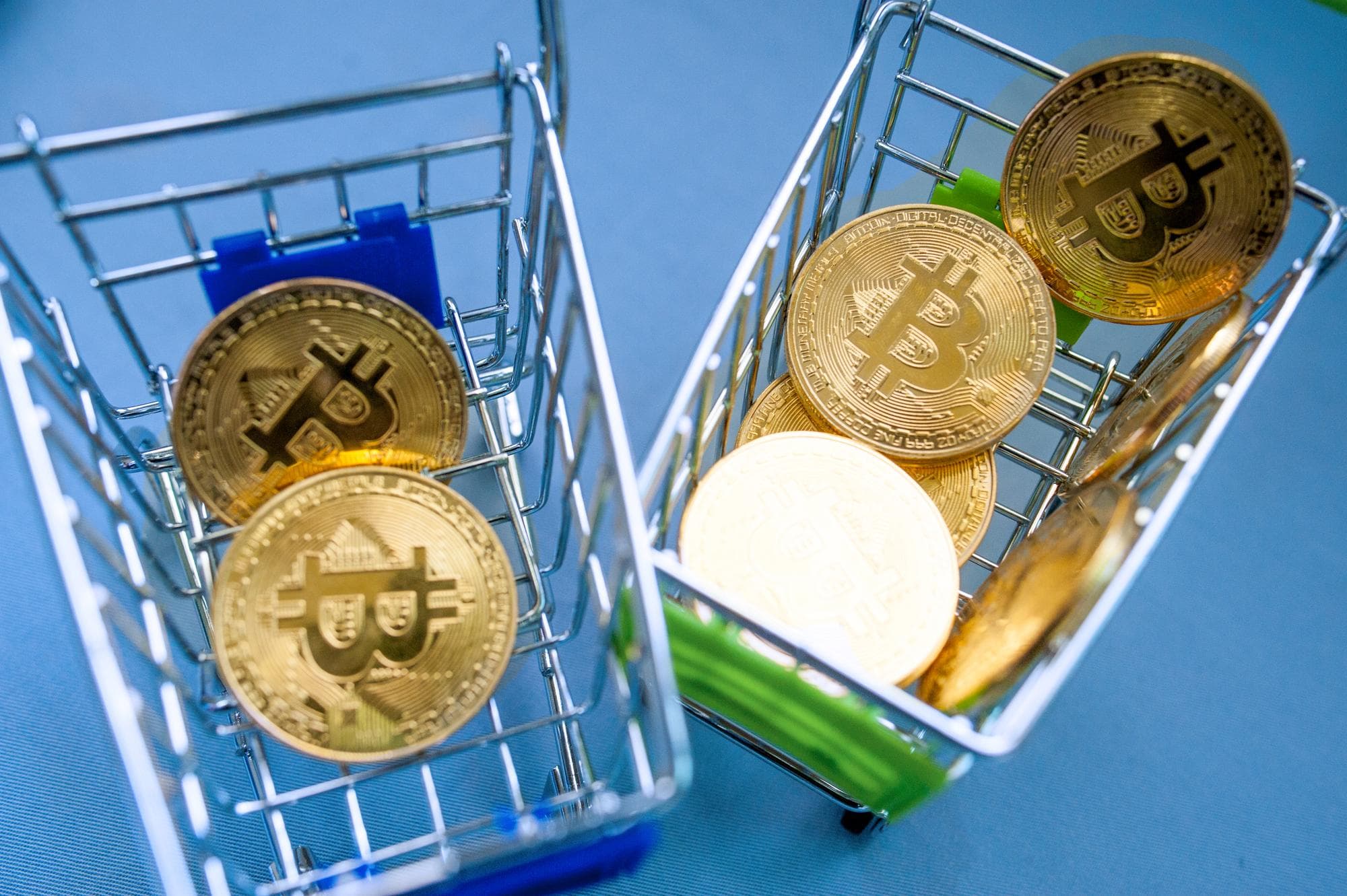
Stablecoins are no longer just a crypto-native way to park cash between trades. They are becoming part of the plumbing that payment companies, banks, and treasury teams have to evaluate as a working system.
That does not mean every merchant will suddenly settle invoices on-chain, or that every fintech will replace its bank partners with tokens. The more realistic shift is narrower and more important: stablecoins are moving into the operational layer of payments, where businesses care about settlement timing, cross-border availability, liquidity, compliance, and counterparty risk.
That is the useful read-through from the latest stablecoin headlines. Japan’s three largest banks, MUFG, SMBC, and Mizuho, are aiming to jointly issue a stablecoin by March 2027, according to CoinDesk. The Block also reported that Japan’s three megabanks are targeting live stablecoin transactions by March 2027. That is not a U.S. story on its face, but it matters for U.S. readers because it shows where the institutional version of stablecoin adoption is heading: bank-connected, compliance-heavy, and built around actual payment workflows rather than speculative demand.
For U.S. businesses, the same question is coming into focus. Stablecoins may be crypto assets, but the real test is whether they can function as payment infrastructure.
The payment use case is becoming less theoretical
Ripple’s recent payments writing captures the broader point: stablecoins can offer faster settlement, lower costs, and continuous availability for fintechs moving money across borders. That is the pitch most retail crypto users already know. What is changing is the level of operational detail.
A payment company cannot run a serious business on slogans about 24/7 money. It has to answer harder questions. Which stablecoin is used for which corridor? Who holds reserves? How are redemptions handled? What happens when liquidity is thin outside normal banking hours? How does the company monitor sanctions exposure, fraud, and transaction screening? Who owns the risk when a customer expects dollars but the settlement asset is a token?
That is why the stablecoin payments story is becoming a treasury story. The infrastructure may look like crypto, but the operating discipline looks like finance.
Ripple’s “pilot to production” framing is useful here because it separates experimentation from daily use. A pilot can prove that tokenized dollars move quickly. Production has to prove that the business can manage compliance, treasury operations, customer support, accounting, liquidity, and partner risk every day.
That distinction matters in the U.S. economy. Domestic payment users are not short on ways to pay. Debit cards, credit cards, ACH, wires, instant payment networks, payroll systems, and merchant processors already exist. Stablecoins have to win on a specific operational job, not on novelty.
The U.S. opportunity is in the gaps between existing rails
The strongest near-term use cases are not necessarily at the coffee-shop checkout counter. They are in the places where existing payment rails are slow, expensive, fragmented, or constrained by banking hours.
Cross-border payments remain the obvious category. U.S. businesses that pay suppliers, contractors, creators, affiliates, or remote teams across markets often deal with delays, fees, intermediary banks, and local settlement complications. A dollar stablecoin can be useful if it helps a company move value faster while still keeping the accounting unit in dollars.
Remittances fit the same pattern, though the consumer side has its own challenges. Stablecoins can reduce some friction in moving dollar value internationally, but the user still needs reliable on-ramps, off-ramps, custody, consumer protection, and local currency conversion. The token transfer is only one part of the payment.
That is the mistake many crypto narratives make. They treat settlement as the whole product. In payments, settlement is only one layer. Distribution, trust, dispute handling, compliance, liquidity, and customer experience matter just as much.
Crypto card adoption sits in a similar middle ground. Cards can make digital assets feel spendable, but most card users still want familiar protections and predictable dollar pricing. In practice, the payment experience may look conventional to the consumer while stablecoins, crypto balances, or tokenized liquidity sit behind the scenes. That is not as flashy as a full replacement of card networks, but it is more plausible as a transition path.
The same applies to businesses. A merchant does not care whether the settlement rail is fashionable. It cares when funds arrive, what fees are charged, how chargebacks are handled, how taxes are recorded, and whether the payment processor can be trusted. Stablecoins become more compelling when they improve those answers without forcing the business to become a crypto operations desk.
Multi-stablecoin infrastructure is becoming normal
One of the more important details in Ripple’s broader stablecoin payments note is the idea that institutions are not betting on a single asset. The source context says institutions are operating across RLUSD, USDC, USDT, EURC, and local-currency stablecoins because different corridors, counterparties, and regulatory environments require different assets.
That is a practical point, not a marketing point.
If stablecoins become part of payment infrastructure, the market will not behave like a single-token fan club. A U.S. fintech serving international customers may need dollar liquidity for one corridor, euro liquidity for another, and local-currency settlement somewhere else. It may also need different partners depending on compliance requirements and redemption availability.
That creates a different kind of competition. The winning payment stack may not be the one with the loudest token brand. It may be the one that routes value across stablecoins, banks, liquidity providers, and compliance systems with the least operational drag.
For retail crypto readers, that means stablecoin adoption should not be judged only by market cap rankings or exchange volume. Those matter, but they are incomplete. The more important signal is whether stablecoins are being integrated into real payment flows where someone has to reconcile books, meet regulatory obligations, and deliver funds to an end user.
For small businesses, the lesson is even simpler: do not confuse accepting stablecoins with having a stablecoin payments strategy. Accepting a token is easy. Managing the cash flow, tax records, refunds, conversion risk, and vendor expectations is the real work.
Bank-issued stablecoins raise the bar
The Japan megabank plan points toward another pressure facing crypto-native stablecoin issuers: banks are not standing still.
A joint stablecoin effort from major banks, if it reaches live transactions, would represent a very different distribution model from the crypto exchange-led stablecoin market. Banks already have corporate relationships, compliance teams, payment operations, and trust with large customers. Their stablecoin products may be less open, less crypto-native, and less exciting to traders, but that may be exactly why some institutions prefer them.
For the U.S. market, the competitive implication is clear. Payment stablecoins will have to coexist with bank deposits, tokenized deposits, card networks, ACH, wires, instant payments, and potentially bank-issued digital cash products. Stablecoins do not get a free pass just because they are faster on-chain.
They have to prove where they fit.
That could still be a large market. Dollar liquidity already has global demand, and stablecoins have shown that tokenized dollars can move across crypto rails at scale. But the next stage is about quality of use. Can the rails support real treasury needs? Can payment companies manage multiple assets without adding unacceptable risk? Can businesses use stablecoins without exposing themselves to avoidable compliance or accounting problems?
Those are boring questions compared with price targets. They are also the questions that determine whether stablecoin payments become durable infrastructure.
The grounded takeaway
The stablecoin payments story is maturing. The easy version was “digital dollars move fast.” The harder version is “digital dollars have to fit into business operations, bank relationships, compliance systems, and customer expectations.”
That is where the U.S. market should focus. Stablecoins are most useful when they solve a real payment problem: cross-border settlement, dollar liquidity, after-hours movement, treasury flexibility, or lower-friction payouts. They are weakest when they are sold as a magic replacement for every existing rail.
The next winners in payments will not be the loudest stablecoin promoters. They will be the companies that make tokenized dollars usable without making the customer think about the machinery underneath.
Educational only. Not financial, investment, tax, or legal advice. Do your own research. Read the full disclaimer.