XRP & Payments
Stablecoins Are Moving Into Business Cash Flow
Stablecoin adoption is shifting from crypto trading rails toward operating infrastructure for settlement, treasury, remittances, and card-linked payments.
What happened in crypto, why it matters, and what to watch next. Every story links its sources.
Stablecoin adoption is shifting from crypto trading rails toward operating infrastructure for settlement, treasury, remittances, and card-linked payments.
The next phase for XRP, XLM, XDC, HBAR, ALGO, VeChain and other payment-focused networks is less about one coin winning and more about whether they can fit into regulated, multi-asset settlement workflows.
XRP, XLM, XDC, HBAR, ALGO and other payment-rail tokens are being judged less by messaging labels and more by whether they can plug into regulated bank settlement workflows.

The strongest U.S. payments signal is not a new coin launch, but the steady move of crypto-adjacent infrastructure into regulated financial workflows.

XRP, XLM, XDC, HBAR, ALGO and other payment-rail tokens still need regulated distribution, bank workflows, and safer transaction standards before the “new financial system” story becomes usable infrastructure.

Stablecoins are moving deeper into payment operations, but the real adoption story is settlement, treasury, compliance, and liquidity management rather than consumer checkout hype.
The next test for payment-rail altcoins is whether they can fit the compliance, treasury, and settlement workflows banks already use.

Stablecoin adoption is moving past the question of which token wins and toward a more practical issue: how businesses route dollars, local currencies, compliance, and liquidity across always-on payment rails.

XRP, XLM and other infrastructure-focused altcoins are facing a practical question: whether they can fit into the multi-asset, regulated payment stack banks and fintechs are actually building.
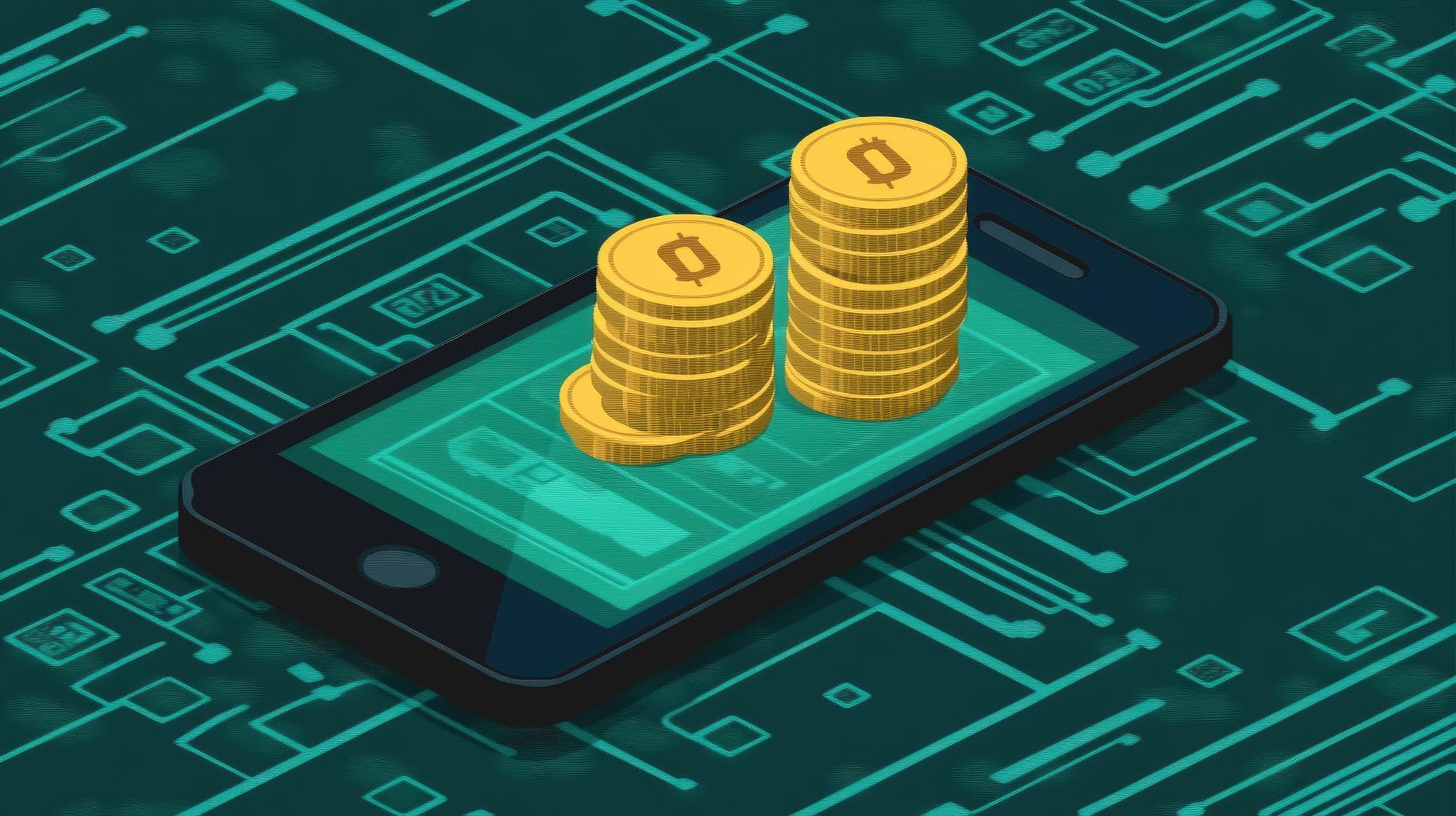
Stablecoin adoption is moving toward practical payment infrastructure, where businesses care less about the winning coin and more about settlement, liquidity, compliance, and operating control.
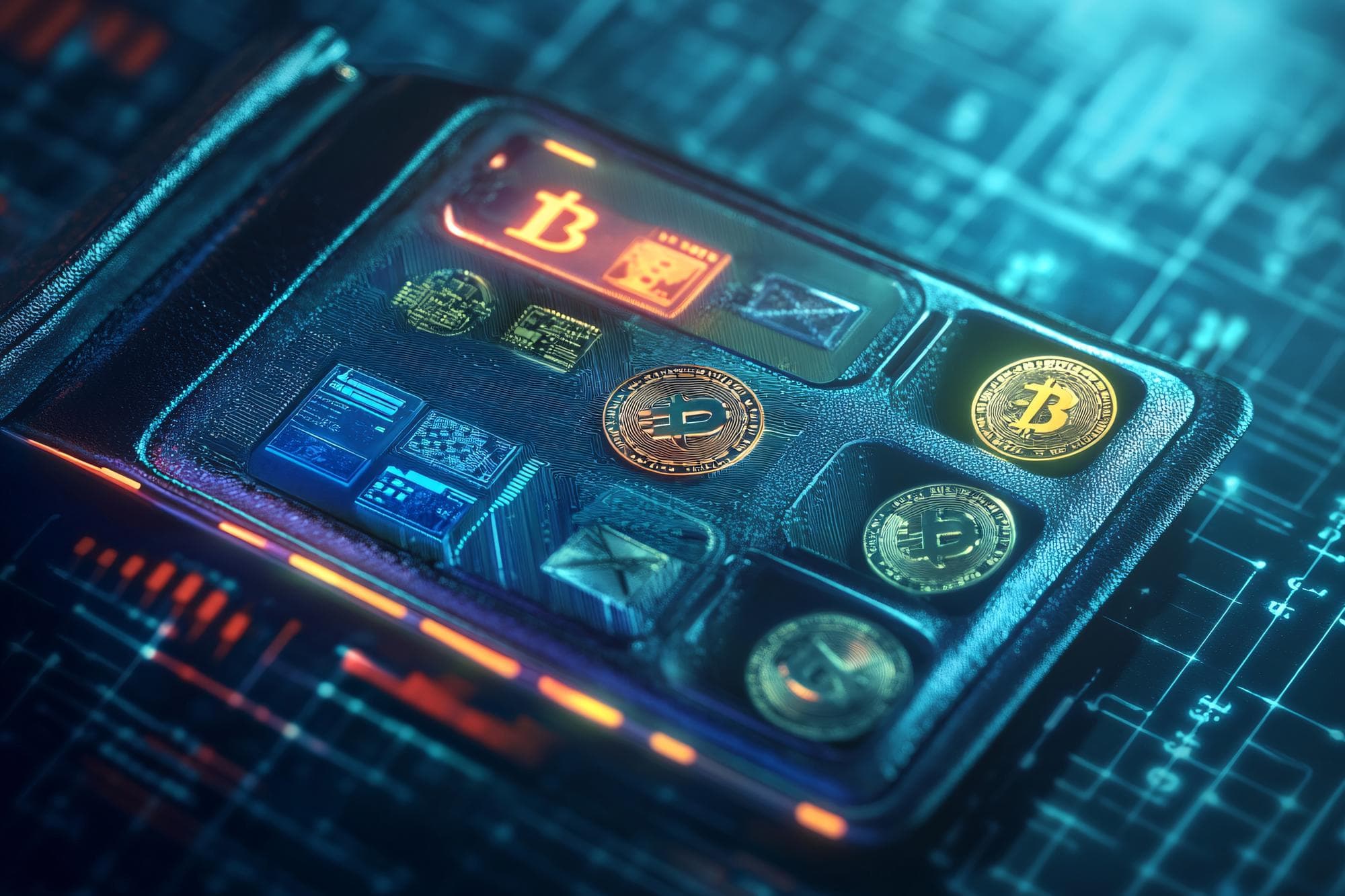
The next test for XRP, XLM, XDC, HBAR, ALGO and other settlement-focused networks is whether they can plug into the messy operating layer of stablecoin payments, treasury controls and tokenized markets.
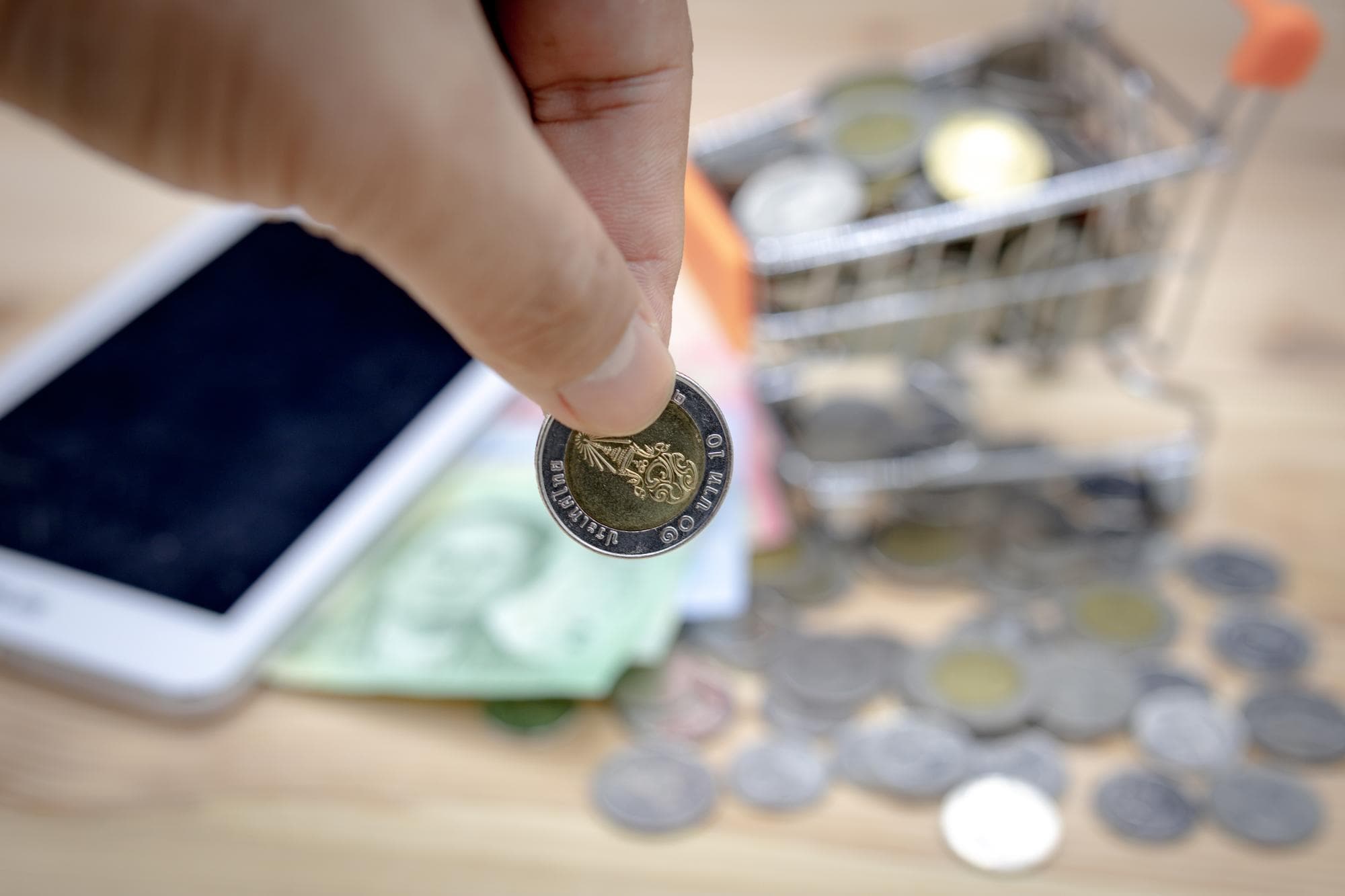
Stablecoins are becoming most useful where the U.S. payment system is slow, expensive, or selectively available.
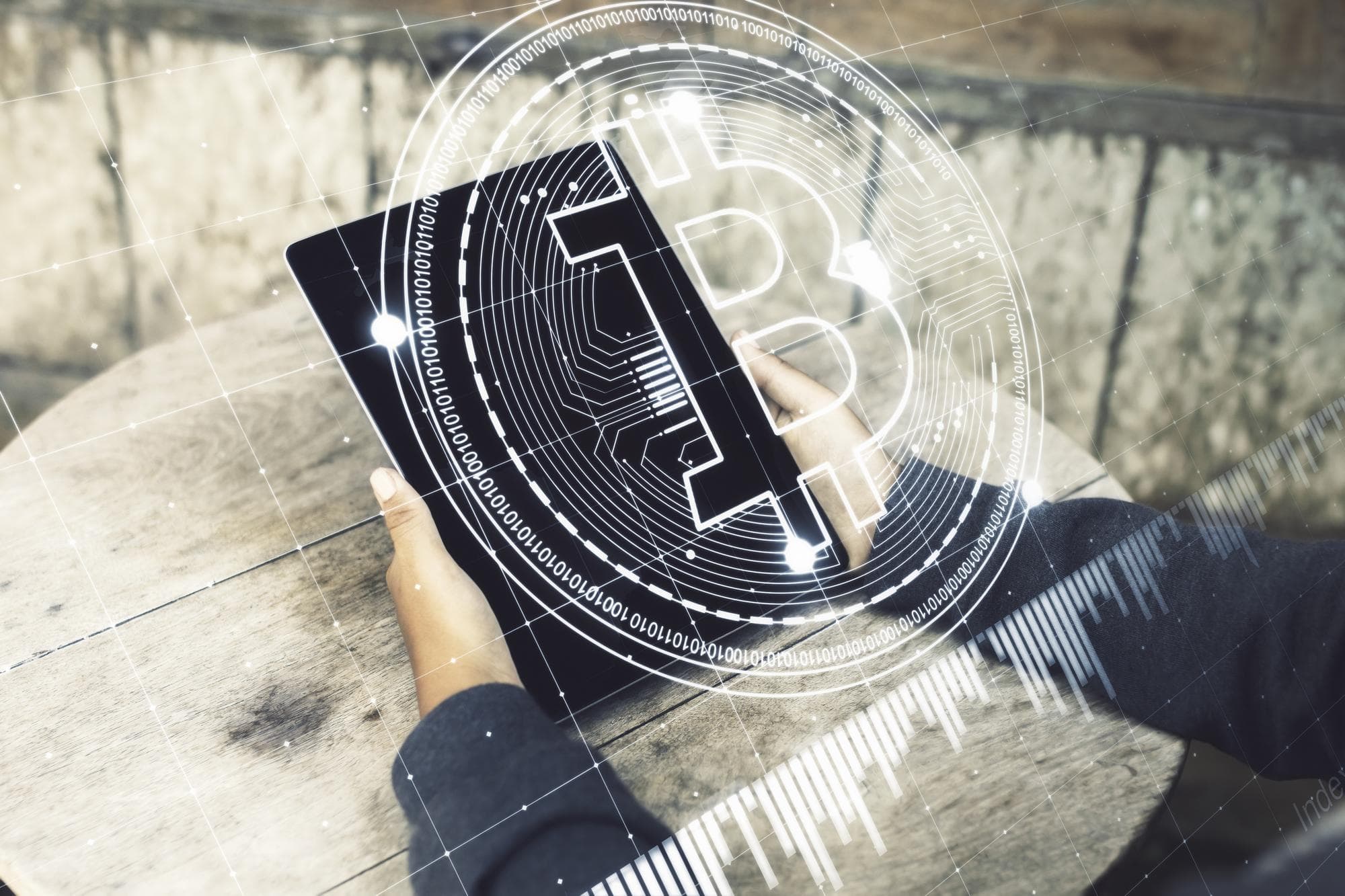
XRP, XLM, XDC, HBAR, ALGO and other payment-rail tokens face a practical test: whether they can fit into regulated treasury, compliance and settlement workflows.

Stablecoins are moving deeper into payment operations, but the real story is less about consumer checkout and more about treasury, settlement, and regulatory pressure around dollar liquidity.

The next serious test for XRP, XLM, XDC, HBAR, ALGO and similar payment-rail tokens is not whether banks like blockchain, but whether these networks fit the messy routing, compliance and treasury work behind real settlement.
Stablecoins are becoming less of a trading-side asset and more of a practical payments rail for payouts, cross-border settlement, and treasury operations.

XRP, XLM, XDC, HBAR, ALGO, and similar payment-rail tokens are still being judged less by slogans than by whether they fit real treasury, compliance, and settlement operations.
Stablecoins are gaining traction less as a replacement for bank accounts and more as operating infrastructure for dollar liquidity, settlement, and cross-border payments.
XRP, XLM, XDC, HBAR, ALGO, and VeChain all sit near the payment-rail conversation, but the real test is whether they can handle treasury, compliance, and settlement workflows banks already live with.

Stablecoin use is growing where speed, access, and settlement flexibility matter, but the real payments story is operational, not revolutionary.