SEC Adds Tokenization to Its 2027 Exam Priorities for Wall Street Firms
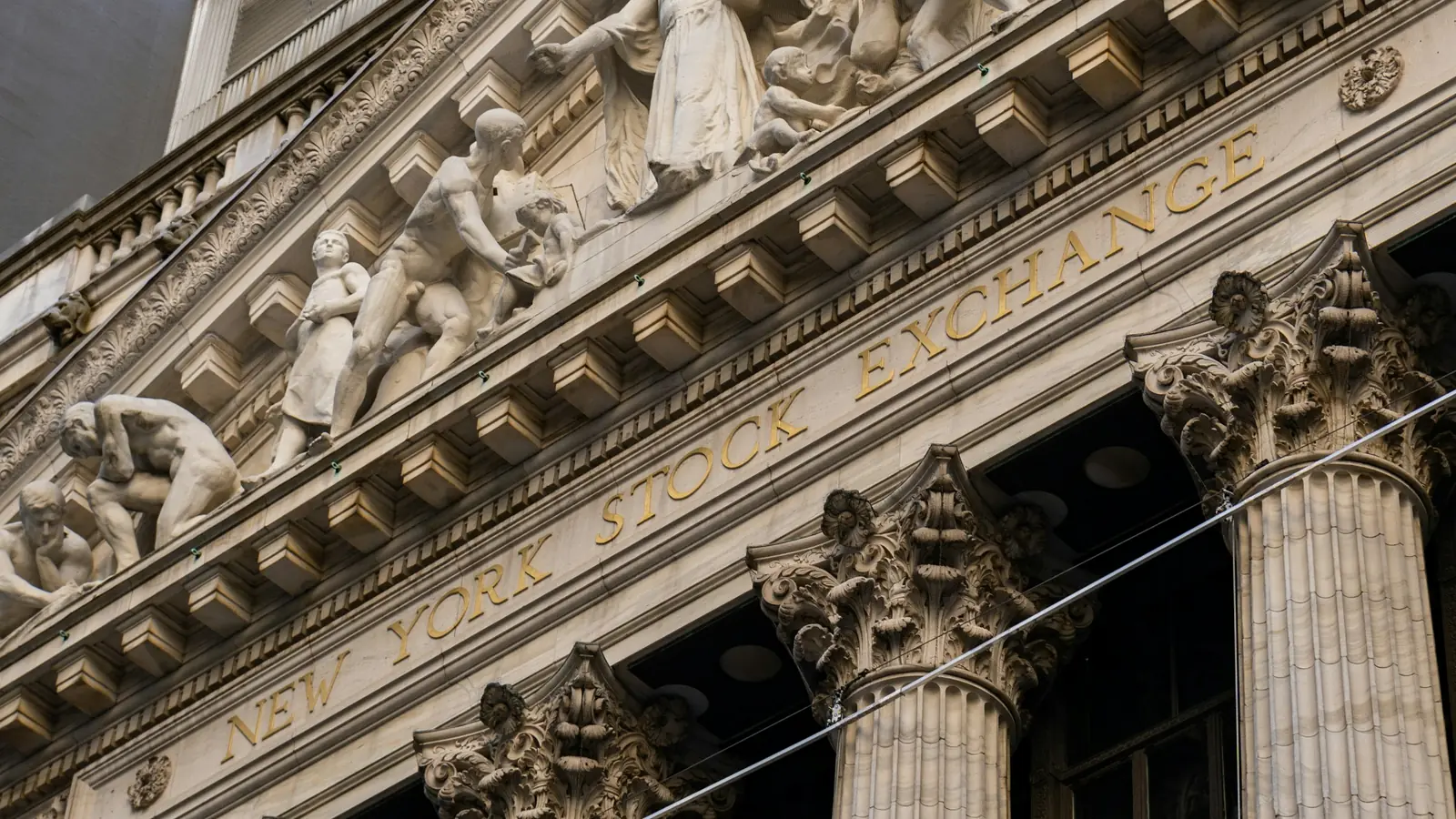
Examiners will look at tokenization at clearing agencies and core market systems this year. Last year's report never used the word, and this one doesn't mention crypto at all.

Topic
Funds, bonds, and settlement moving onto shared ledgers, and the institutions doing the moving.

Examiners will look at tokenization at clearing agencies and core market systems this year. Last year's report never used the word, and this one doesn't mention crypto at all.


MAS says the three central banks will work with firms including Ripple, Visa and Mastercard on how stablecoins and tokenized deposits settle across borders. No XRP role was announced.

Qualified U.S. investors can now hold the bank's MONY and JLTXX fund tokens on Solana. One of the two funds is built to hold reserves for stablecoin issuers.

None of the three is trading yet, and the SEC says being listed is not approval. The notices still show how onchain US stock trading would work, and how small it has to start.

The bank is folding a custodian it helped start into its own securities-services arm. That's another sign big banks want to hold crypto themselves, though nothing changes yet for US customers.

Blockchain can settle a compute payment, but it cannot by itself prove that an AI workload was completed correctly, securely, or economically.

After-hours demand for tokenized equities highlights a larger DeFi opportunity, but lending, collateral and liquidation systems remain the harder part.

Trading equities beyond Wall Street hours is useful, but lasting blockchain adoption depends on whether tokenized products can handle dividends, voting, taxes and ownership rights.

Goldman Sachs, Wells Fargo and Morgan Stanley reportedly see tokenization as a growth opportunity, suggesting blockchain may modernize financial infrastructure without displacing its largest operators.

Banks do not have to surrender deposits to stablecoins in order to adopt blockchain settlement, a distinction that matters for XRP and other payments-focused networks.

Tokenized equities can extend trading beyond Wall Street’s hours, but Ethereum and its rollups still have to prove they can support the less glamorous machinery of regulated markets.

Heavy liquidations in tokenized SanDisk bets show how traditional market shocks can reach crypto derivatives without proving that the underlying on-chain market is deep.

Heavy liquidations in tokenized SanDisk bets show that blockchain-based equity products can compete with major altcoins for speculative capital without delivering adoption to their networks.

Regulatory fights over prediction markets, sanctioned funds, and tokenized collateral show why financial applications need machine-readable policy controls.
A reported ESMA review may help define how tokenized assets fit into regulated markets, but Ethereum still has to earn a place in the resulting infrastructure.
Securitize’s Solana launch makes token verification, legal ownership and wallet permissions part of the same security problem.
Securitize’s tokenized US equities put familiar shareholder rights on new infrastructure, where corporate actions will matter more than transaction speed.
New tokenized US equities and a bitcoin lending system with reported commitments show institutions building familiar financial products on very different crypto rails.
New tokenized equities and lending systems show why investors must separate financial assets, payment networks, and the tokens used to operate them.
Securitize’s equity launch shows that Ethereum’s tokenization lead will be tested by products offering familiar investor rights on competing networks.
New institutional settlement and tokenized-stock platforms make access look seamless, but users still need to know who controls withdrawals, recovery, and the underlying assets.
A proposed platform for tokenized US equities shows why XRP, XLM and other payment-focused networks will be judged by their role in regulated settlement—not their association with banking standards.
ETF demand, renewed hiring and tokenization interest point to expansion, while a network shutdown and a bank-charter lawsuit show why durability now matters more than crypto’s headline count.
BlackRock’s tokenization vision raises a basic security question that blockchain enthusiasm often skips: what happens when an investor loses access?
A protocol shutdown headline and an institutional tokenization vision may deserve attention, but neither gives operators enough information to change production systems.