
Markets
Tokenized Settlement Needs Legal Finality Before Banks Move Real Assets
A token can move instantly and still leave the legal question unresolved.
Topic
Funds, bonds, and settlement moving onto shared ledgers, and the institutions doing the moving.
A token can move instantly and still leave the legal question unresolved.

Ethereum’s Layer 2 roadmap solved one problem and exposed another.

Fast settlement is not the same as finished settlement.

It is a reason to ask a better question: what would actually prove Ethereum’s scaling thesis is working?

As crypto wallets hold wrapped assets, stablecoins, tokenized claims, and long-term Bitcoin positions, user security increasingly depends on knowing what an asset is before deciding how to store or move it.
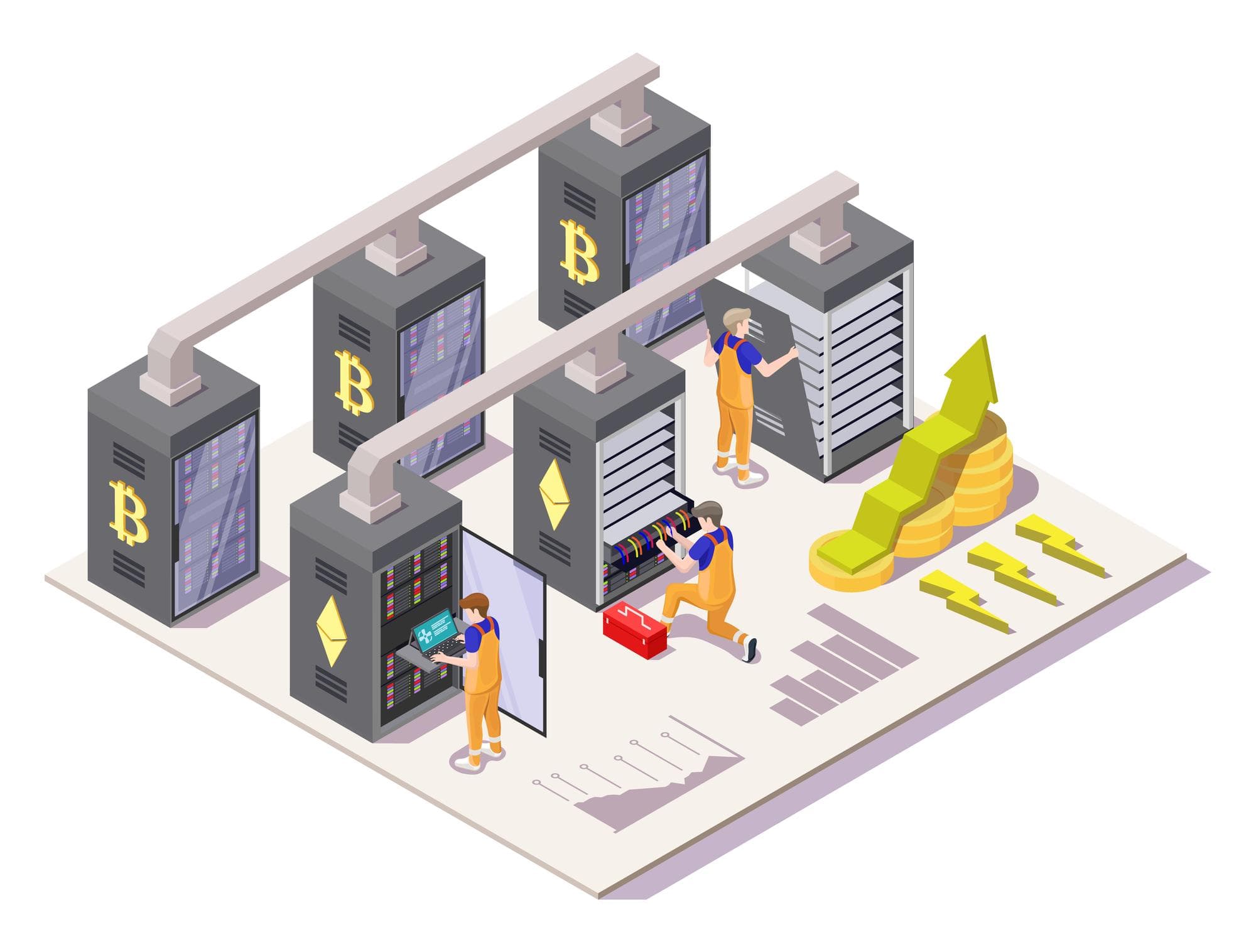
Tokenized Treasurys, rehypothecated-token data, and stablecoin liquidity show that crypto’s next infrastructure test is whether markets can understand and move collateral safely.

XRP’s ETF-era narrative, Ripple’s tokenized capital markets push, and new stablecoin policy fights show why payment-focused altcoins need real settlement utility to matter in the next financial system.

Ethereum’s L1/L2 roadmap and the rise of tokenized collateral show why the network’s biggest scaling challenge is now making institutional-grade finance work across many layers without breaking usability.

Dogecoin’s leverage-driven jump, WLFI’s unlock vote, tokenized Treasury adoption, scam crackdowns, and prediction market tooling all point to one broad trend: crypto is separating speculation from usable infrastructure.

Dogecoin’s open-interest surge and the rise of tokenized treasury and payment infrastructure show why altcoin investors need to separate speculative liquidity from real network adoption.

Ripple’s custody push, KAST’s policy hire, and tokenized Treasury integrations point to the same institutional lesson: crypto adoption now depends on controls, compliance, and operational trust.

Stable Sea’s WisdomTree fund integration shows the new financial system story is moving from token narratives into corporate cash management, custody, and settlement infrastructure.

The world's central bank clearinghouse just flagged dollar stablecoins as a systemic risk — which is another way of saying they're becoming real infrastructure.
The Bank for International Settlements says dollar-backed stablecoins could drain deposits from traditional banks and complicate monetary policy — a warning that reframes the stablecoin debate from "crypto vs. regulation" to "crypto vs. the banking system itself."

Industry insiders at Paris Blockchain Week delivered a blunt message: putting an asset on-chain doesn't conjure a buyer, and the real-world asset boom needs honest accounting of what tokenization can and can't fix.

Ripple's new institutional custody service reflects a broader infrastructure build-out that's moving tokenized assets and stablecoin settlements from pilot programs into live banking workflows.

South Korea's move to tokenize government deposits on blockchain is a quiet but concrete signal that institutional settlement infrastructure is moving from whitepaper to live deployment.

As Bhutan quietly liquidates 70% of its Bitcoin holdings, a new Coinbase-backed index pairing BTC with tokenized gold suggests Wall Street is building a more disciplined framework for digital assets than sovereign experimenters ever did.

As Franklin Templeton absorbs a digital asset firm and Invesco partners on tokenized products, Ethereum's role as institutional settlement rail is hardening in real time.

Two of the world's largest asset managers are repositioning around digital asset infrastructure — and the downstream effects for DeFi liquidity and tokenized yield could be significant.

South Korea's ruling party is moving stablecoins and tokenized real-world assets into existing financial frameworks rather than creating new crypto-specific rules — and proposing to ban yield-bearing stablecoins entirely. It's a approach that could influence how other major economies handle the same questions.

Galaxy Digital is conducting its May shareholder vote entirely onchain through Broadridge, turning tokenized shares from a theoretical future into operational infrastructure. This isn't a press release moment—it's the infrastructure layer that makes institutional crypto real.

The International Monetary Fund released a report warning that tokenization could import crypto market volatility into global financial infrastructure through automated systems and smart contracts. The warning reveals a legitimate structural tension between legacy finance's settlement times and blockchain's instantaneous execution.

The International Monetary Fund warned that tokenized finance could amplify market crises by eliminating settlement delays that usually give regulators time to intervene. The concern isn't about crypto's volatility — it's about speed becoming a systemic risk.