
XRP & Payments
XRP's Institutional Pivot Is No Longer Theoretical
Spot ETFs, institutional custody, and enterprise payment rails are turning XRP from a retail speculative asset into a legitimate fixture of institutional portfolios.
Topic
Flows, ETFs, liquidity, and what is actually moving prices, explained without price targets.
Spot ETFs, institutional custody, and enterprise payment rails are turning XRP from a retail speculative asset into a legitimate fixture of institutional portfolios.

Ethereum just posted its busiest quarter ever, Bitcoin's most reliable bottom indicator still hasn't fired, and Circle is in court — together, these three stories reveal exactly where crypto stands right now.

Bitcoin's 10% April rally has stalled at a key technical level as large holders dump coins into ETF-driven strength — and on-chain data explains exactly why.

Bitcoin's April rally has stalled near $75,000 as large holders dump into strength and key resistance looms — here's what the data actually shows.

Institutional ETF inflows are powering Bitcoin's April rally, but on-chain data shows large holders selling into strength near a key resistance level that already stopped the market cold once before.

As Bhutan quietly liquidates 70% of its Bitcoin holdings, a new Coinbase-backed index pairing BTC with tokenized gold suggests Wall Street is building a more disciplined framework for digital assets than sovereign experimenters ever did.

Bitcoin is consolidating near multi-month highs, but the more important stories today are happening in the margins — quantum security research, Southeast Asian exchange investment, and a coordinated global fraud sweep.

From Franklin Templeton's acquisition of 250 Digital Asset Management to Morgan Stanley's Bitcoin ETF debut, traditional finance is no longer dipping a toe — it's wading in.

Geopolitical signals, ETF flows, and institutional dealmaking are all hitting the tape at once — here's how to read the noise.

Morgan Stanley's spot Bitcoin ETF pulled $31 million in volume on its first day of trading, part of a $2.5 billion industry-wide ETF session — a signal that Wall Street's distribution machinery is finally pointed at BTC.

A Solana-based token tied to Moo Deng, the viral pygmy hippo, surged after a zoogoer was fined for breaching the animal's enclosure. It's a perfect distillation of how meme coins now feed on real-world chaos.

Bitcoin surged to $72,753 after Trump signaled a ceasefire with Iran, a 5% move that exposes how geopolitical risk—not Fed policy or tech developments—has become the primary driver of price action in this cycle. It's a reminder that macro volatility, not adoption, remains king.

A MarketWise survey shows growing numbers of U.S. crypto investors are reallocating into gold, citing volatility concerns. What looks like crypto losing its luster might actually be something more interesting: investors finally calibrating their portfolios to match their actual risk tolerance.

CME Group is launching round-the-clock crypto derivatives trading on May 29 and adding Avalanche and Sui contracts to its suite. The move reveals something institutional investors already know: retail crypto markets are no longer where price discovery happens.

CME Group is launching futures contracts for Avalanche and Sui in early May, continuing its deliberate expansion beyond Bitcoin and Ethereum into Layer 1 alternatives. The move reveals something institutional investors actually care about—and it's not what crypto natives expected.

Decentralized finance yields have cratered below traditional savings accounts, meaning investors are now taking on significantly higher risks for lower returns. The gap between DeFi's risk profile and its reward structure has finally become impossible to ignore.

XRP rejected at $1.35 and is now sliding toward $1.31 as order book depth collapses, signaling that positioning built on thin liquidity could unwind sharply. This isn't just a technical failure—it's evidence that retail enthusiasm around XRP doesn't translate to the kind of sustained buying pressure needed to move the needle.

Bitcoin briefly topped $70,000 on the back of escalating Iran tensions tied to Trump administration signals, a move that triggered significant liquidations across leveraged positions. The price action reveals something important: crypto markets are now sensitive to traditional geopolitical risk factors in ways they weren't just years ago.
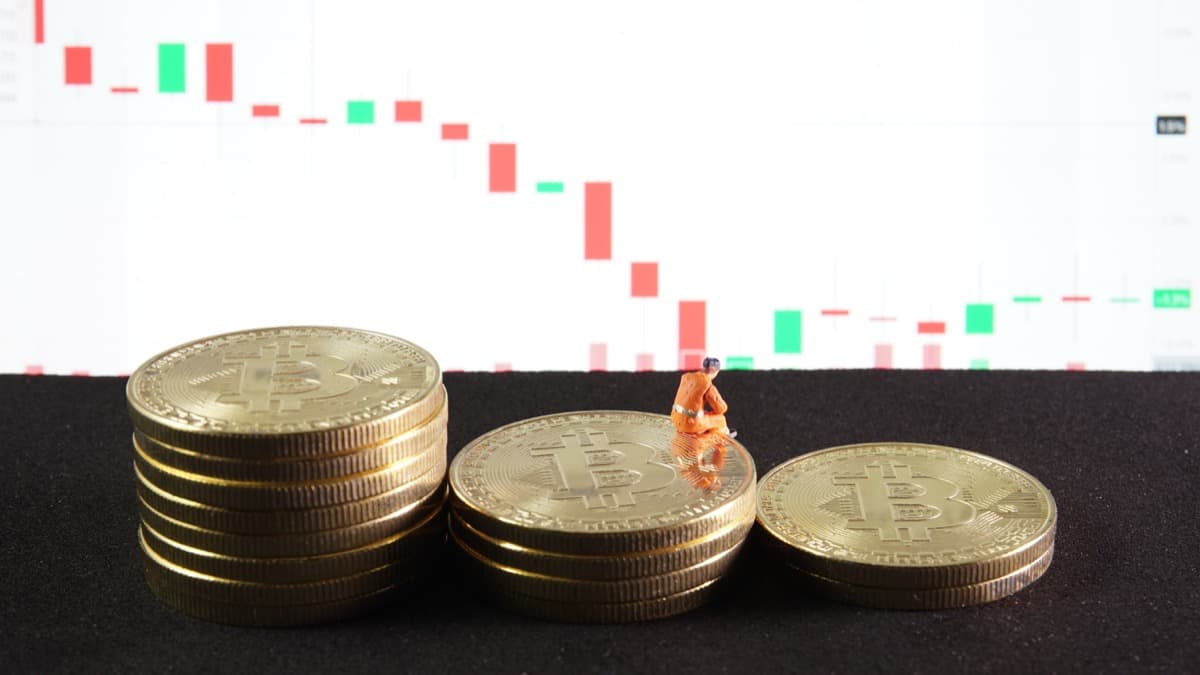
Crypto tokens are trading at steep discounts to their fundraising prices in secondary markets, with gaps widening to 90% or more. The trend reveals a widening gap between who's raising capital and who actually wants to hold these assets.

As token issuance accelerates across crypto projects, analysts are pointing to a fundamental mismatch: supply growth is outpacing value creation, breaking the economic assumptions that made tokenomics attractive in the first place. The question isn't whether this matters—it's whether the model itself is broken.

Crypto's fundamental economics are breaking down as token issuance outpaces the creation of actual value, leaving investors holding increasingly diluted positions. Michael Ippolito's warning about the "existential" nature of this problem cuts to something the industry has been avoiding: the current model may not scale.

Bitcoin dropped to $65,834 Thursday after Trump escalated military rhetoric toward Iran, marking the year's low and raising questions about whether crypto actually performs as a hedge during geopolitical crises. The broader sell-off in risk assets suggests investors still treat crypto as risk-on, not risk-off.
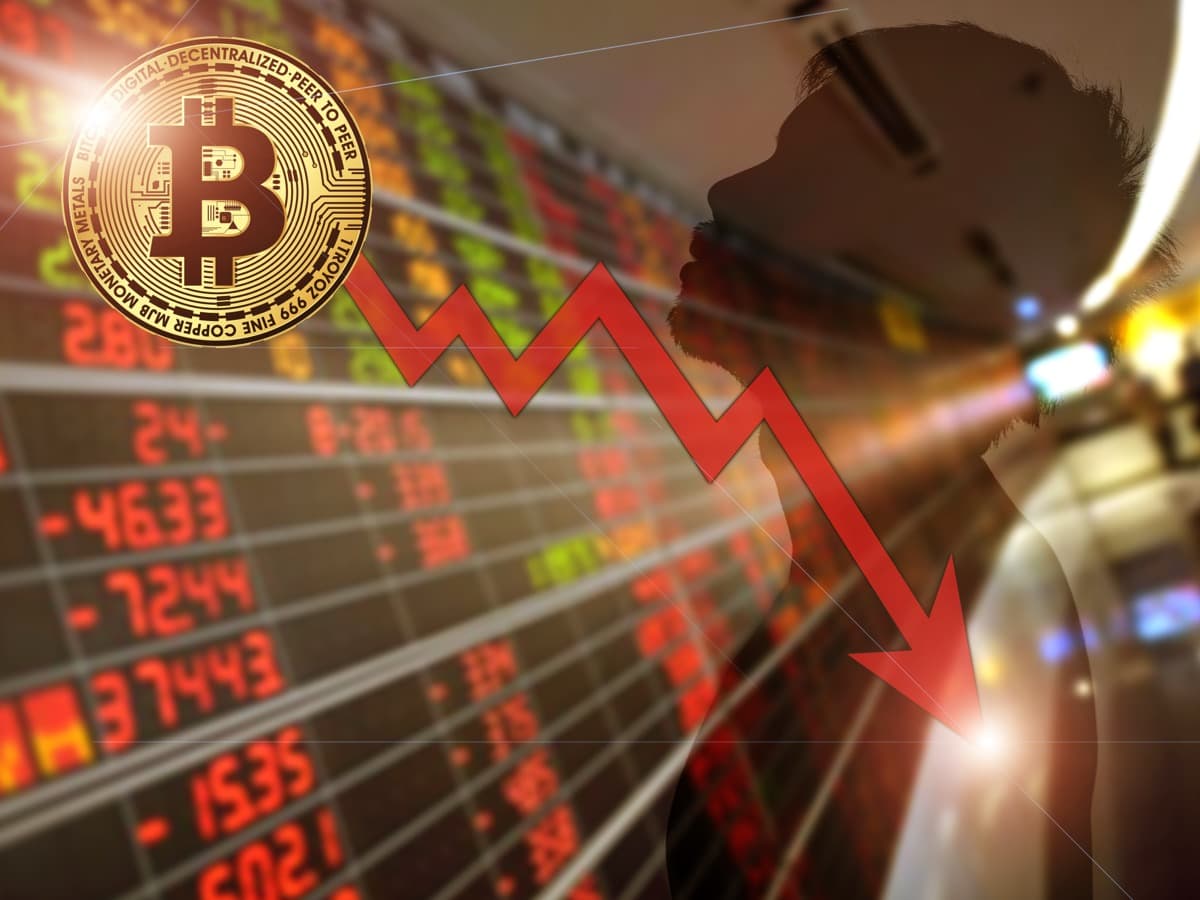
A new analysis from Mercado Bitcoin found that Bitcoin significantly outperforms gold and stocks in the 60 days following major economic or geopolitical shocks. The pattern suggests crypto markets may be pricing in systemic risk differently than traditional assets.
Cathie Wood framed Bitcoin’s roughly 50% pullback as a sign of maturity relative to past 80-90% bear markets. That may be directionally true, but institutions and treasury allocators now require a different standard: not just shallower crashes, but more reliable behavior under macro stress.