Tech & AI
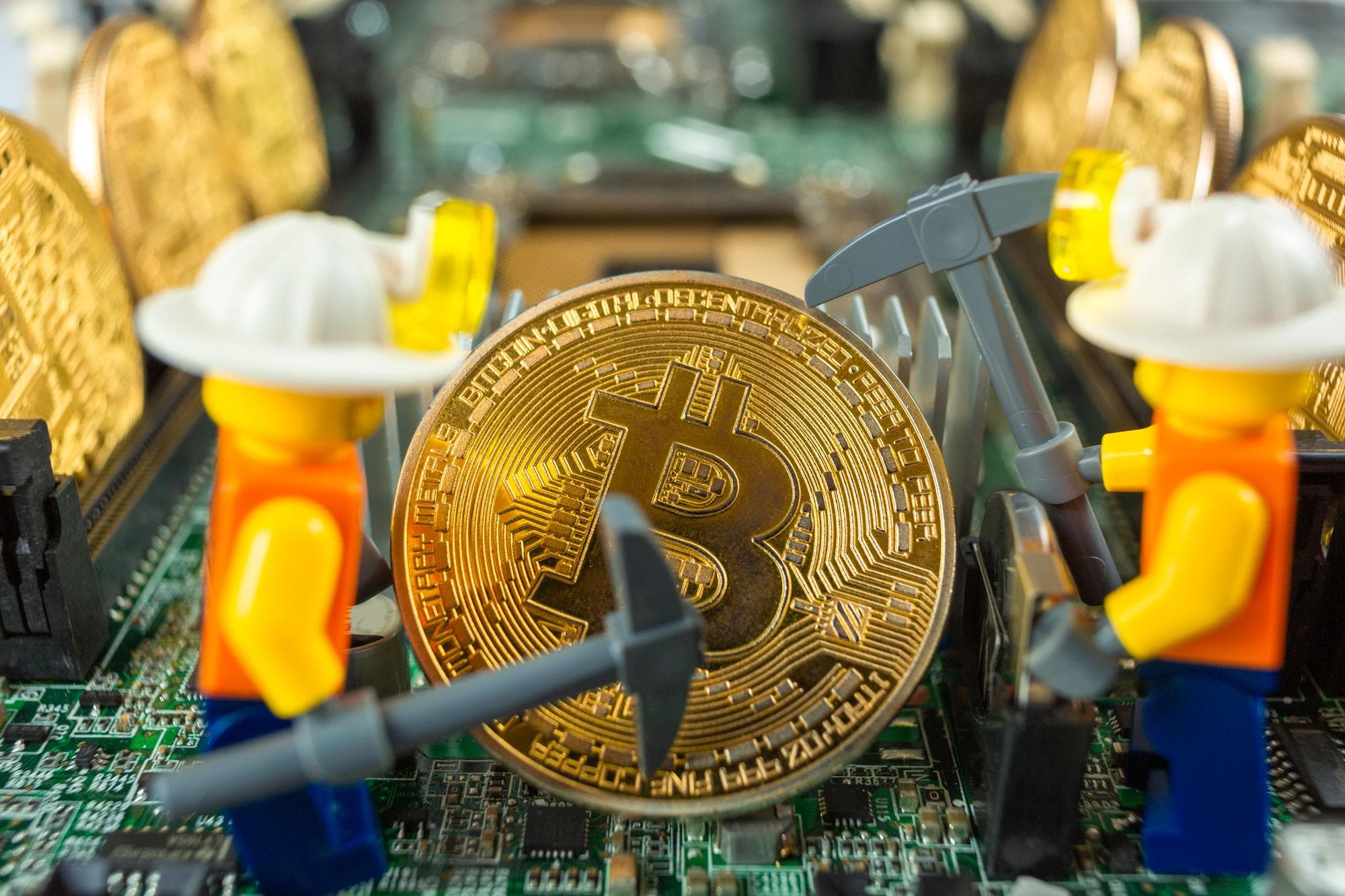
Bitcoin Miners Are Being Valued by Their Power, Not Their Hash Rate
IREN’s move into European AI data-center capacity shows how bitcoin miners are being pulled into a broader fight for scarce power, not just block rewards.
Topic
Where AI and crypto meet: agents that pay, models that attack, and the infrastructure in between.
IREN’s move into European AI data-center capacity shows how bitcoin miners are being pulled into a broader fight for scarce power, not just block rewards.
As AI agents move closer to wallets, exchanges, and onchain workflows, crypto’s next infrastructure problem is making intent, permissions, and risk legible before transactions execute.

AI-linked crypto networks are getting a fresh narrative boost, but real adoption will depend on whether they can solve trust, security, and usability problems better than centralized AI platforms.

AI-speed attacks, exposed wallet practices, and blind-signing fixes are pushing crypto security from static audits toward real-time infrastructure operations.
Bitcoin’s next demand test may come less from crypto weakness than from capital being pulled toward AI infrastructure.

The useful AI story in crypto is less about tokens and more about whether models, wallets, and DeFi systems can handle real operational risk.
Bitcoin’s latest drawdown shows how quickly crypto markets reach for AI narratives when the harder answer may be flows, leverage, and bad attribution.

Frontier AI models may help find crypto bugs faster, but the bigger test is whether protocols, wallets, and data providers can turn detection into safer infrastructure.

Bitcoin’s slide, AI’s pull on investor attention, and fresh scrutiny of DeFi and stablecoins all point to the same market shift: crypto now has to compete on durability, controls, and real use.
Microsoft’s latest quantum-chip claims and Ethereum’s clear-signing push point to the same problem: crypto infrastructure needs security standards that can survive faster technical change.
Bitcoin’s slide toward $70,000, record ETF outflows, and weakness across major tokens point to a market where crypto is competing for capital rather than simply rising with risk assets.

The AI-agent payment story is becoming less about which token wins and more about whether crypto rails can support licensed access, clean data, and reliable settlement.

Ethereum’s next adoption test is whether its L1 and L2 ecosystem can feel like one reliable platform for tokenization, AI payments, and institutional users.

A fresh macro bet on ETH ties AI agents and tokenized assets to Ethereum, but the real test is whether Ethereum can make L1 and L2 infrastructure feel coherent enough for serious users.

AI-driven payments and tokenized markets may create real crypto demand, but only if the rails can handle identity, data, settlement, and risk controls.
The useful AI-and-crypto story is not autonomous wallets buying tokens, but whether blockchains can provide clean assets, rules, and settlement data that software can safely act on.

Ethereum’s latest demand pitch is moving toward AI agents and tokenized activity, but the real test is whether the ecosystem can make L1 and L2 infrastructure feel coherent enough for serious users.

If AI agents are going to use crypto, the real breakthrough will be controlled wallets, stablecoin routing, asset data, and auditable payment permissions, not another speculative AI token.
Ethereum’s Protocol Fellowship is a reminder that tokenization, AI-agent payments, and L2 adoption depend on a less glamorous bottleneck: enough skilled contributors to keep the base infrastructure credible.

As crypto activity spreads across L2s, wrapped assets, stablecoins, tokenized funds, and AI-driven payments, wallet security increasingly depends on showing users exactly what they are signing before assets move.

Ethereum’s L1/L2 roadmap matters because tokenized funds, onchain repo, AI-agent payments, and digital collateral all need scaling that feels like one usable financial system, not a maze of separate networks.

AI and tokenization may eventually converge, but the near-term technology challenge is making asset rules, transfer limits, collateral terms, and market data readable by software before automation touches real value.

AI-agent payments and tokenized assets give Ethereum a strong narrative, but investors should watch whether those ideas create measurable settlement, developer, and infrastructure demand.

AI agents may eventually use tokens to pay for services and access onchain markets, but the real technology bottleneck is whether wallets, APIs, and networks can describe asset risk in a form machines can safely act on.