
Security
Crypto Security Is Becoming an Operations Test, Not a Password Test
Recent wallet drains and Ethereum’s clear-signing push show that crypto safety is shifting from individual caution to transaction-level controls.
What happened in crypto, why it matters, and what to watch next. Every story links its sources.
Recent wallet drains and Ethereum’s clear-signing push show that crypto safety is shifting from individual caution to transaction-level controls.

Stablecoin dominance, tokenized real-world assets, and tighter data standards point to a DeFi market where liquidity is becoming more defensive and more collateral-aware.

The latest adoption signal is less about token listings and more about whether crypto assets can fit inside funds, bank products, and tokenized market infrastructure.

The latest dispute over Bitcoin’s pullback shows why corporate treasuries, ETFs, and institutional buyers are better understood as liquidity channels than permanent support.

Coinbase and Cardless’ stablecoin-backed card points to a practical next phase for dollar tokens: not just payments, but credit, collateral, and liquidity inside everyday financial products.

The next serious test for XRP, XLM, XDC, HBAR and other payment-rail tokens is not slogans about ISO 20022, but whether they fit the operational reality of bank settlement, stablecoin treasury flows and tokenized capital markets.

Tokenized real-world assets are growing through the crypto pullback, but Ethereum’s next test is whether its L1 and L2 ecosystem can support financial-market settlement without fragmenting the user experience.

Four weeks of spot Bitcoin ETF outflows have shifted the near-term question from adoption to whether institutional demand is still willing to absorb market weakness.

Frontier AI models may help find crypto bugs faster, but the bigger test is whether protocols, wallets, and data providers can turn detection into safer infrastructure.

Ethereum’s clear-signing push shows crypto security is moving from generic wallet warnings toward transaction approvals users and institutions can actually verify.

DeFi is getting better at moving collateral, but the next test is whether markets can track what that collateral actually represents.
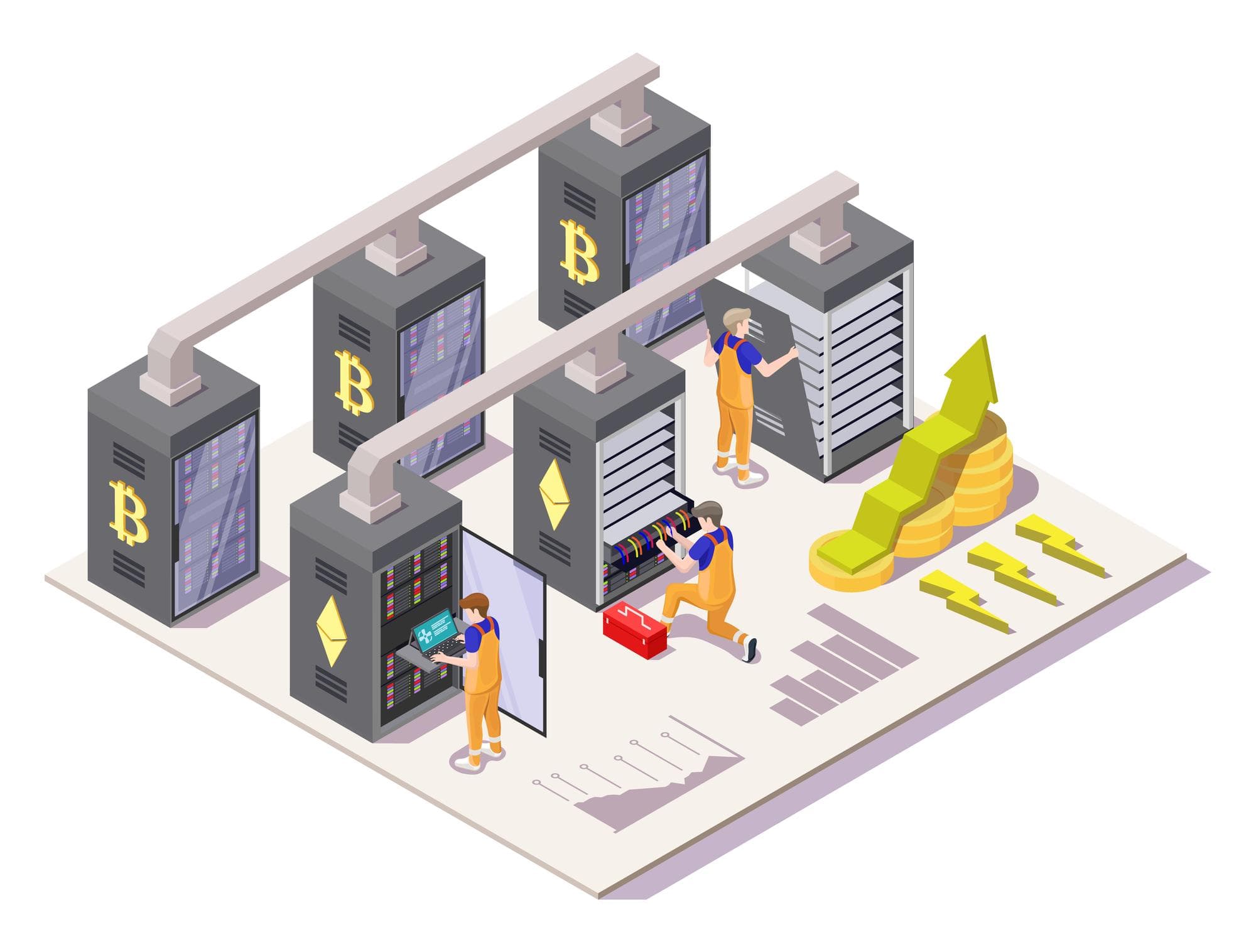
As crypto products move into volatility futures, tokenized securities, and institutional settlement rails, the market’s weakest infrastructure may be the data labels investors rely on every day.

Bitcoin’s latest institutional debate is less about whether big finance wants exposure and more about how much leverage, liquidity pressure, and balance-sheet discipline the market can absorb.
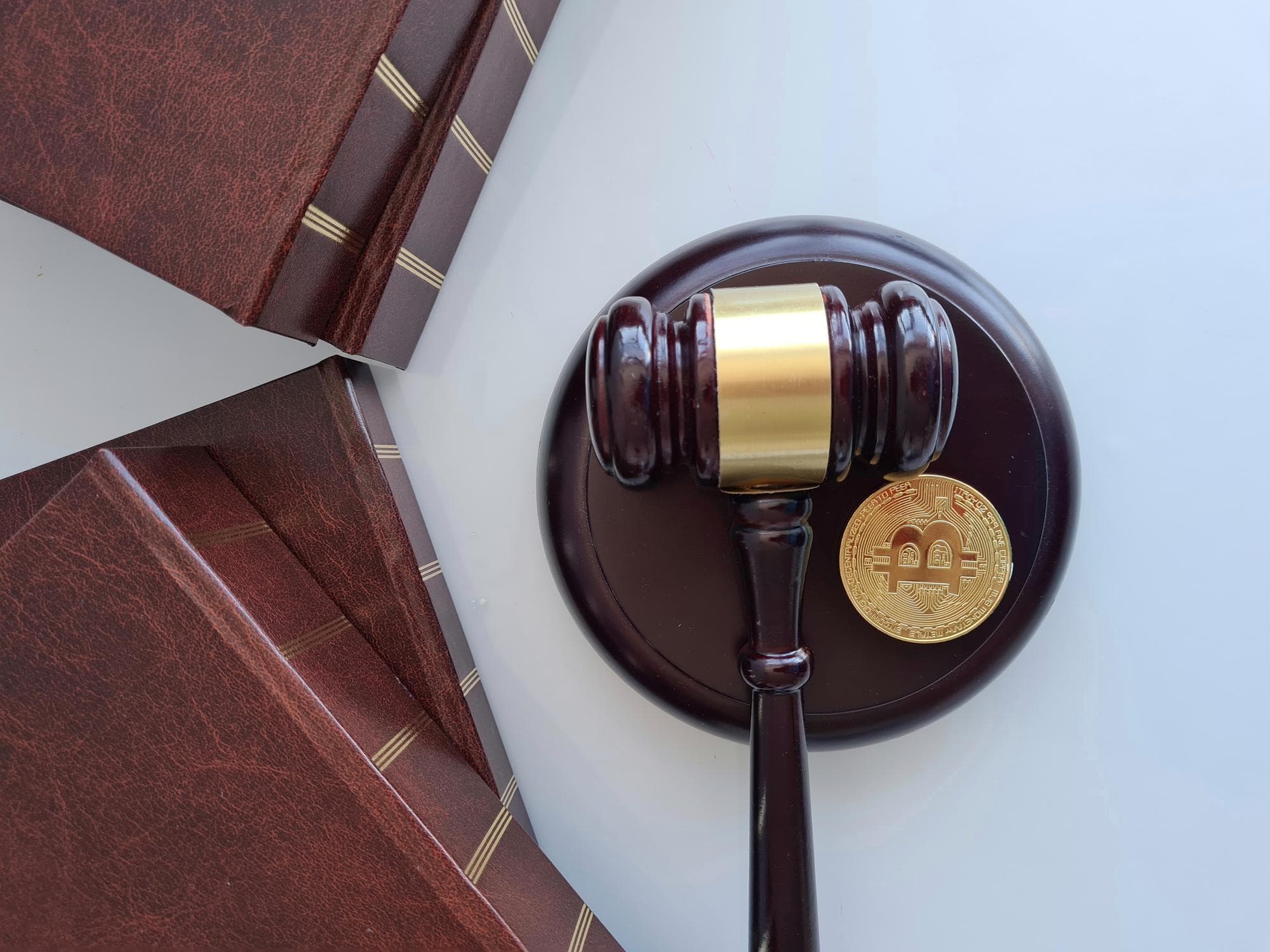
A New York case over nearly 40,000 bitcoin wallets shows that crypto’s legal risk is no longer limited to whether tokens are securities.

XRP and other payment-rail tokens are still trading on infrastructure hopes, but the real adoption test is whether banks and fintechs can fit them into compliance, treasury, and settlement workflows.

Securitize moving closer to an NYSE listing shows tokenization is entering a more accountable phase, where rails, controls, and disclosures matter as much as asset wrappers.

CME’s bitcoin volatility futures arrive as ETF outflows and sharp liquidations show a market where institutions care as much about hedging risk as betting on price.
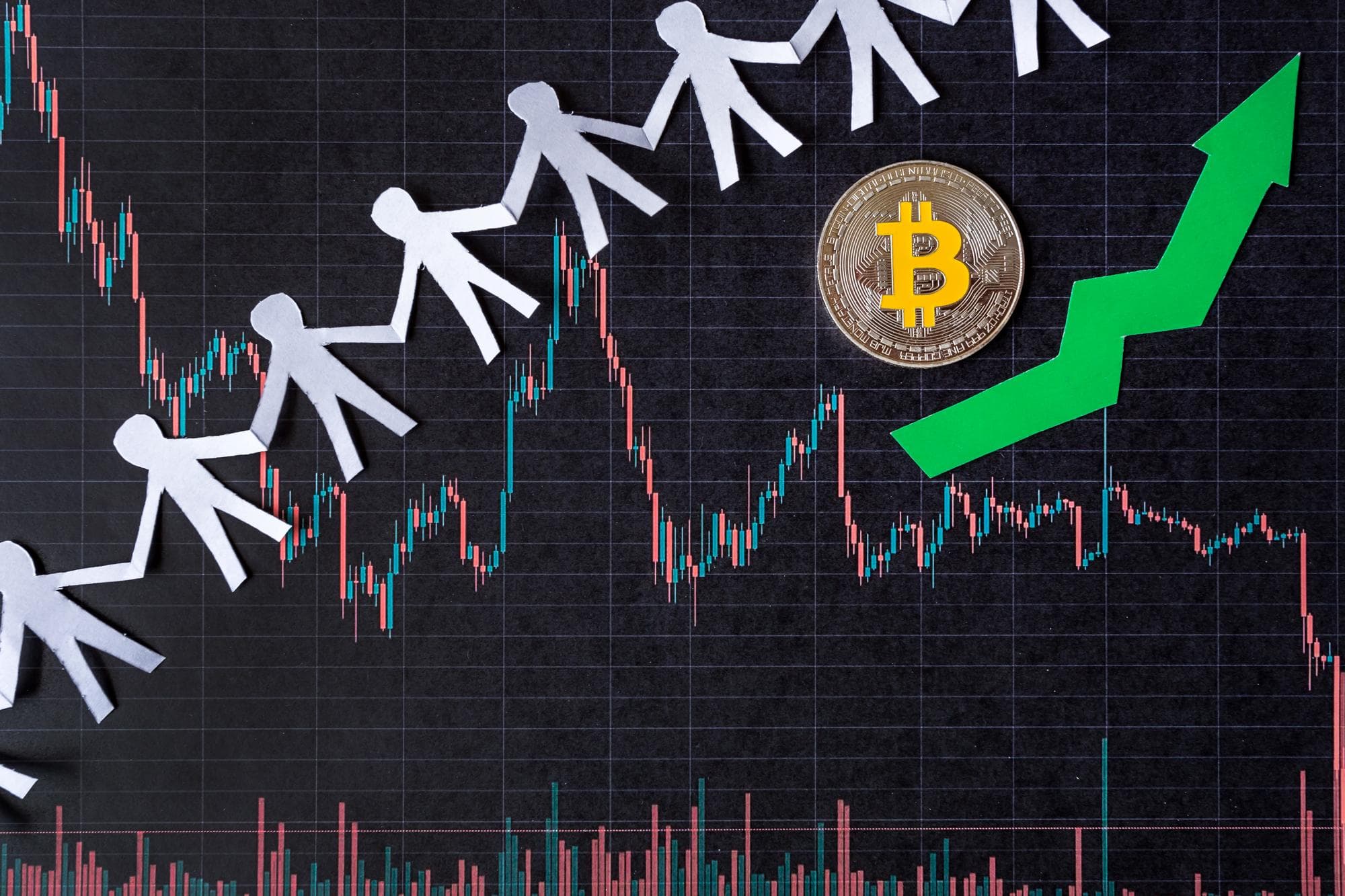
Bitcoin’s slide, ETF flow stress, corporate treasury pressure, and bank tokenization plans all point to the same issue: crypto adoption is real, but durable demand is still being tested.

As banks, wallets, fintechs, and data providers move toward tokenized settlement, the next infrastructure fight is whether users and machines can understand what is actually being moved.

Ethereum’s clear signing push and the SEC’s developer-speech signal both point to the same shift: crypto account safety now depends on standards, incentives, and governance, not just user caution.