
Tech & AI
Crypto’s AI Overlap Is Moving Into Infrastructure
The useful AI story in crypto is less about tokens and more about whether models, wallets, and DeFi systems can handle real operational risk.
What happened in crypto, why it matters, and what to watch next. Every story links its sources.
The useful AI story in crypto is less about tokens and more about whether models, wallets, and DeFi systems can handle real operational risk.

CoinGecko’s planned treatment of rehypothecated tokens points to a bigger DeFi problem: capital efficiency only works if investors can tell when the same collateral is being counted twice.

Raydium’s exploit of deprecated liquidity pools shows why crypto infrastructure risk increasingly lives in maintenance, signing, and asset accounting.

Figure’s planned $717 million Kiavi acquisition points to a more practical phase of institutional tokenization, where access to real loan flow may matter more than blockchain branding.
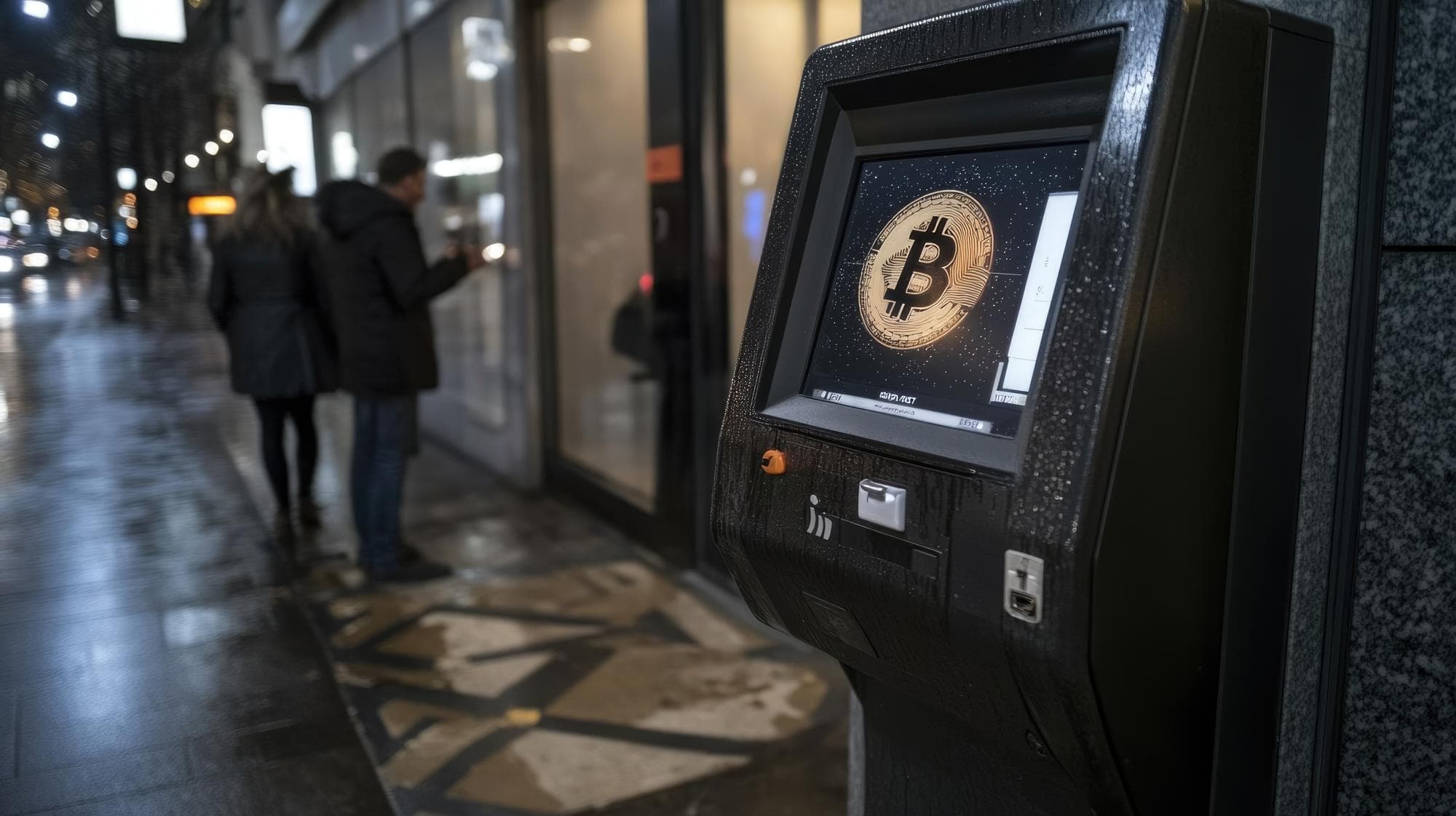
Delaware and New Jersey are advancing crypto ATM bans, signaling that state lawmakers may be willing to restrict physical crypto access where scam risk is high.

Stablecoins are gaining attention less as tradeable crypto assets and more as working payment infrastructure for settlement, treasury, and cross-border money movement.

XRP, XLM, XDC, HBAR, ALGO, and VeChain are being judged less by crypto narratives and more by whether they can support real settlement, compliance, and treasury workflows.

Ethereum’s L1-and-L2 roadmap is meeting a market that wants tokenization rails, clearer workflows, and less fragmentation.

BlackRock’s planned yield-generating bitcoin ETF points to a new phase of U.S. Bitcoin adoption, where investors are not just buying spot exposure but asking how it fits inside portfolio income strategies.

Today’s crypto tape showed the same pressure point across tokens, private-market perps, sanctions, and network exits: access is expanding faster than market depth and operational guardrails.
Recent stress across XRP flows, leveraged synthetic markets, and wrapped-token accounting shows DeFi’s next test is whether liquidity remains usable when holders actually need the door.

Ethereum’s latest adoption signals point less to token speculation and more to the unglamorous work of safer transaction approvals, developer depth, and cleaner coordination between L1 and L2 networks.
New enforcement moves in Europe and South Korea show that crypto infrastructure is increasingly being judged by how well it supports tracing, blocking, and operational response.

SpaceX-linked pre-IPO trading on Hyperliquid shows how crypto venues are pulling private-market exposure into public view before traditional finance is ready for the disclosure problem.

A Kalshi advertising referral and a Polymarket insider-trading case show that prediction markets are being pulled into the same disclosure, conduct, and surveillance debates that shaped older financial venues.
The next stage of stablecoin adoption is less about consumer buzz and more about whether businesses can manage compliance, liquidity, and settlement across always-on payment rails.

Japan’s largest banks are moving toward live stablecoin transactions, and that puts payment-rail tokens back under a practical test: where do banks actually need the token?

Bitcoin’s latest market pressure is not only about price, it is also testing whether newer Bitcoin-based infrastructure can survive when liquidity and user demand get harder to find.
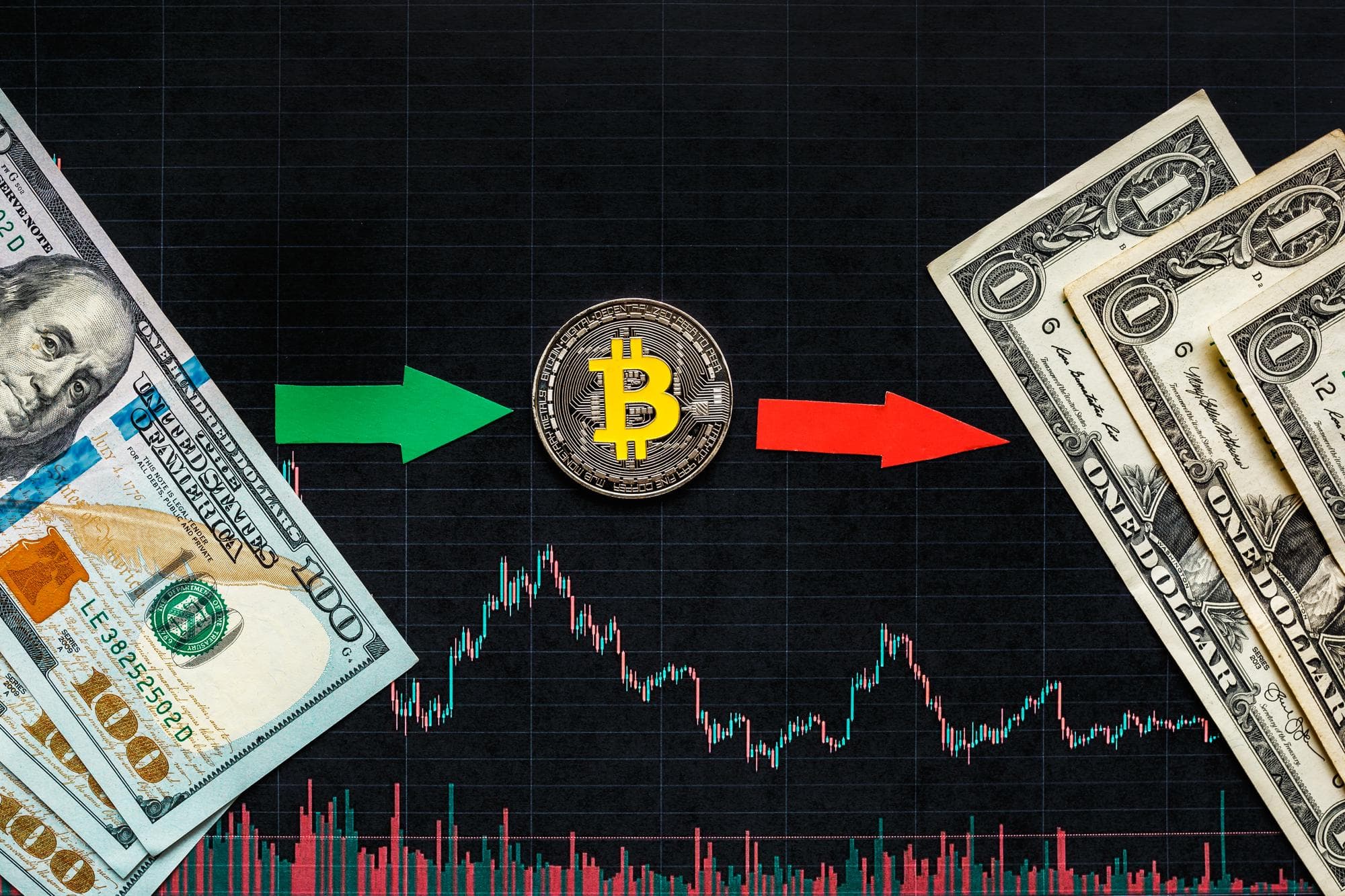
Bitcoin funds are seeing outflows while stablecoins, tokenized assets, and regulated access keep expanding, showing a market where adoption and price demand are moving on different tracks.

Bitcoin’s latest drawdown shows how quickly crypto markets reach for AI narratives when the harder answer may be flows, leverage, and bad attribution.