
Tech & AI
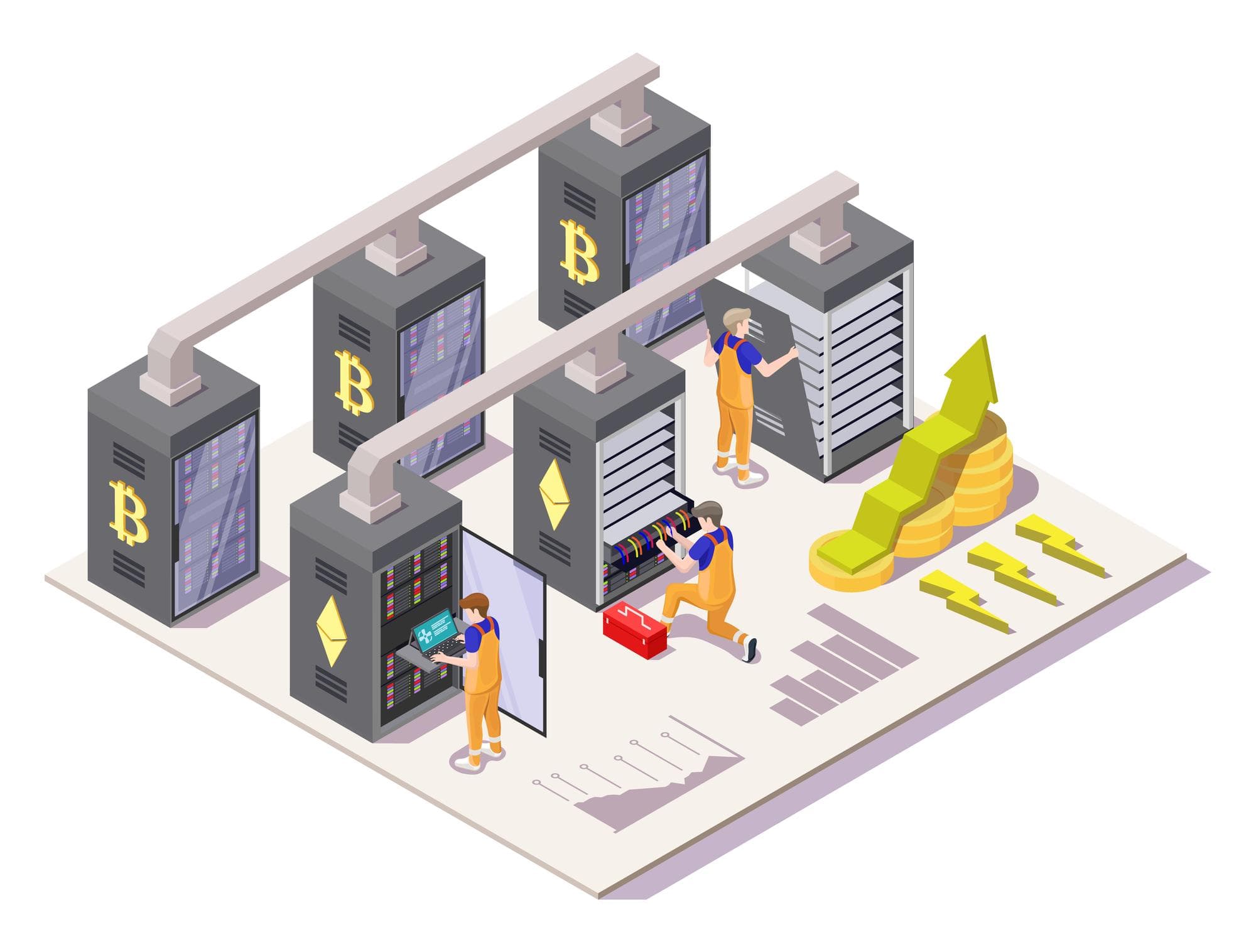
Bitcoin Mining Is Becoming a Power-Management Business
Bitcoin mining is still treated too often like a simple bet on Bitcoin.
What happened in crypto, why it matters, and what to watch next. Every story links its sources.
Bitcoin mining is still treated too often like a simple bet on Bitcoin.

Institutional crypto has already won the access argument.

The May 3 Fueled Crypto source context contains no fresh SEC action, CFTC proposal, congressional vote, Treasury guidance, White House statement, court filing, state rule, enforcement settlement, or stablecoin bill update.

Stablecoin payments have an obvious pitch: dollars that move like software.

The “new financial system” trade has always had one problem.

It is a reason to ask a better question: what would actually prove Ethereum’s scaling thesis is working?

As crypto wallets hold wrapped assets, stablecoins, tokenized claims, and long-term Bitcoin positions, user security increasingly depends on knowing what an asset is before deciding how to store or move it.

CoinGecko’s move to adjust rankings for rehypothecated tokens highlights a bigger DeFi problem: capital efficiency only works if users and protocols understand what their collateral actually is.
Tokenized Treasurys, rehypothecated-token data, and stablecoin liquidity show that crypto’s next infrastructure test is whether markets can understand and move collateral safely.
The CLARITY Act’s finalized stablecoin-yield language gives crypto firms a path to rewards while protecting bank yield, setting up a policy fight over who controls digital dollar accounts.

XRP’s ETF-era narrative, Ripple’s tokenized capital markets push, and new stablecoin policy fights show why payment-focused altcoins need real settlement utility to matter in the next financial system.

Ethereum’s L1/L2 roadmap and the rise of tokenized collateral show why the network’s biggest scaling challenge is now making institutional-grade finance work across many layers without breaking usability.

Bitcoin’s hold above $78,000, fresh stock-market records, and the CLARITY Act’s stablecoin-yield compromise show a market waiting for a stronger catalyst than momentum alone.

Bitcoin’s futures-driven rally warning, Robinhood’s institutional support, record hack reports, and new data tools all point to a market that is being judged less by momentum and more by quality of access, risk, and infrastructure.

From AI-backed Bitcoin research to cleaner token data and derivatives signals, crypto’s next useful technology layer is helping users understand risk before they act.

With crypto hacks reportedly hitting a record high in April, users and small businesses need to treat wallet separation, custody controls, and approval hygiene as basic financial security.

Arbitrum DAO’s vote tied to 30,766 frozen ETH shows DeFi’s next maturity test is not just preventing attacks, but building credible recovery processes when markets break.

Shrapnel’s China early access on GalaChain shows practical altcoin adoption may depend less on chain ideology and more on whether networks can fit regulated digital asset frameworks.

April’s record crypto hacks, custody infrastructure demands, and recovery governance disputes show that security is becoming core market plumbing, not a back-office concern.

Ark Invest’s $39.7 million Robinhood buy shows institutions may be looking past weak crypto trading revenue and betting on regulated access platforms as the next crypto market layer.